How to Get Private Tutoring Students in Saudi Arabia
4 Oct 2026

Your lessons may be ready and your subject may be clear, but one question remains: how do I get students for private tutoring? The answer does not start with more advertising. It starts with families knowing what you teach, for which school stage, and why working with you feels clear and reassuring.
If you are still at the very beginning, our guide to becoming a private tutor in Saudi Arabia covers the basics. Here we focus on one step: how to reach the right families and help them understand what you offer before they book.
Where do parents start looking for a private tutor?
No single channel brings students to every tutor. A family may start from a recommendation, a local group, or a search by subject and city. So you do not need to post everywhere; choose the channels that suit your subject and the students you want to reach.
When you write your profile, think about the words that help a family decide whether you fit: the subject, the school stage and the city. State them clearly, for example "Maths for intermediate stage students in Jeddah". That shortens the family's search and shows what you offer before they message you.
The Google Trends data for Saudi Arabia we reviewed for the term "مدرس خصوصي" (private tutor) over the past five years shows interest rising near the start of the school year, especially in September and October. Timing alone does not guarantee a booking, but it is a good moment to review your bio and availability before families start searching in earnest.
What does each channel need to bring you the right student?

Groups and adverts can bring you new families, but they leave important details for you to manage: explaining your subject, price and availability, and agreeing how you will communicate and get paid. That does not make these channels useless; what matters is knowing what each one offers and what stays your responsibility.
- Personal recommendation — When it helps: When a family knows someone who recommends you from past experience · What do you need to arrange?: Make it easy to share your profile or contact method
- Local groups or social media accounts — When it helps: To reach families interested in a specific subject or area · What do you need to arrange?: State the subject, stage and price clearly, and decide how you will reply to enquiries
- Classified ad sites — When it helps: To show your service to people already searching for it · What do you need to arrange?: Explain your qualification and lesson terms, and think about the privacy of your number and data
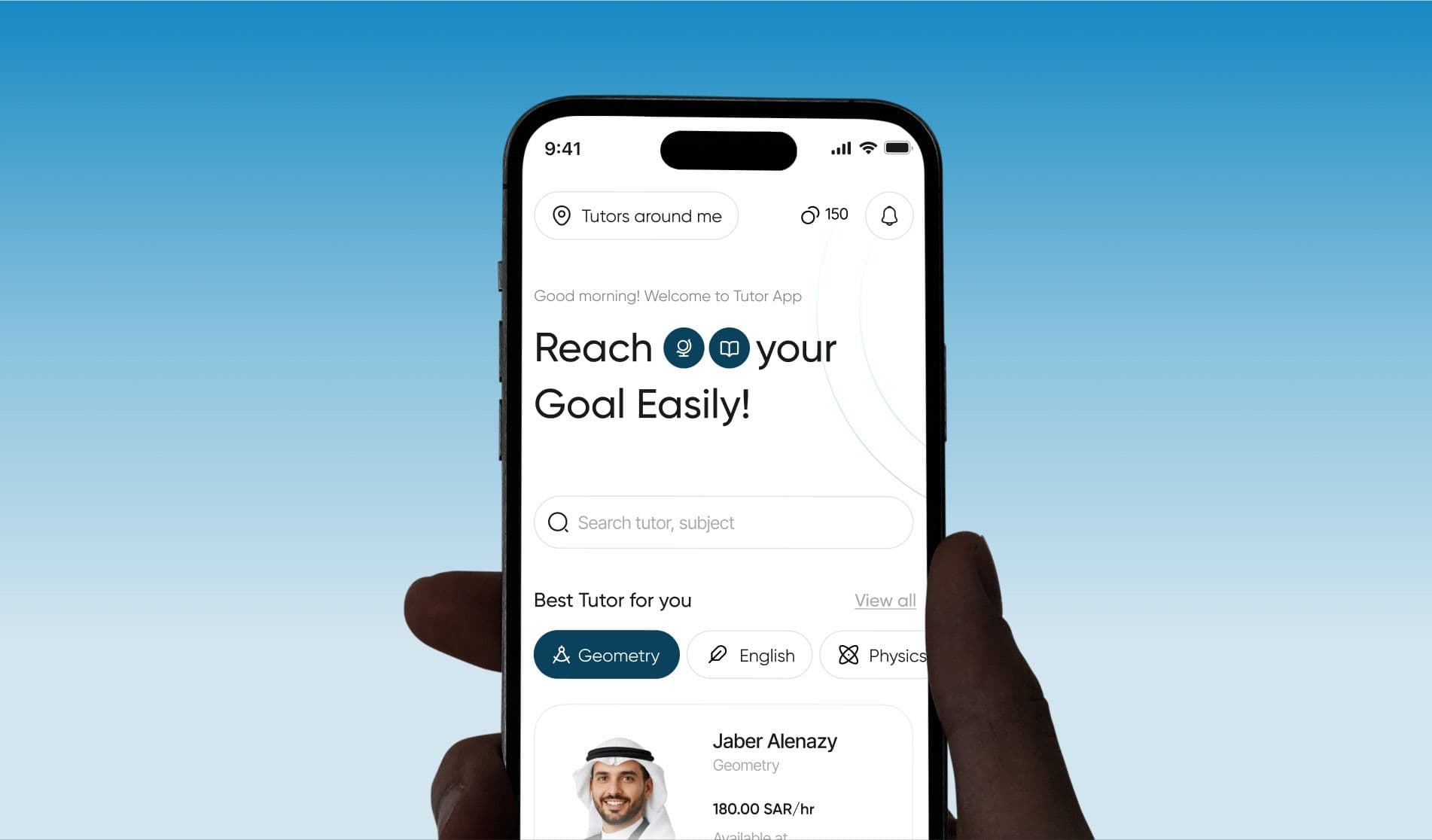
- A specialised app such as Mualimi — When it helps: To build one profile that brings together your subject, qualification, price and reviews · What do you need to arrange?: Complete verification, and check the app's requirements and your legal status before accepting a booking
Pick one or two channels and watch what happens. Which questions keep coming up? What does a family need to know before booking? These notes help you improve your profile instead of reposting the same advert every day.
How do you write a profile that explains your experience quickly?
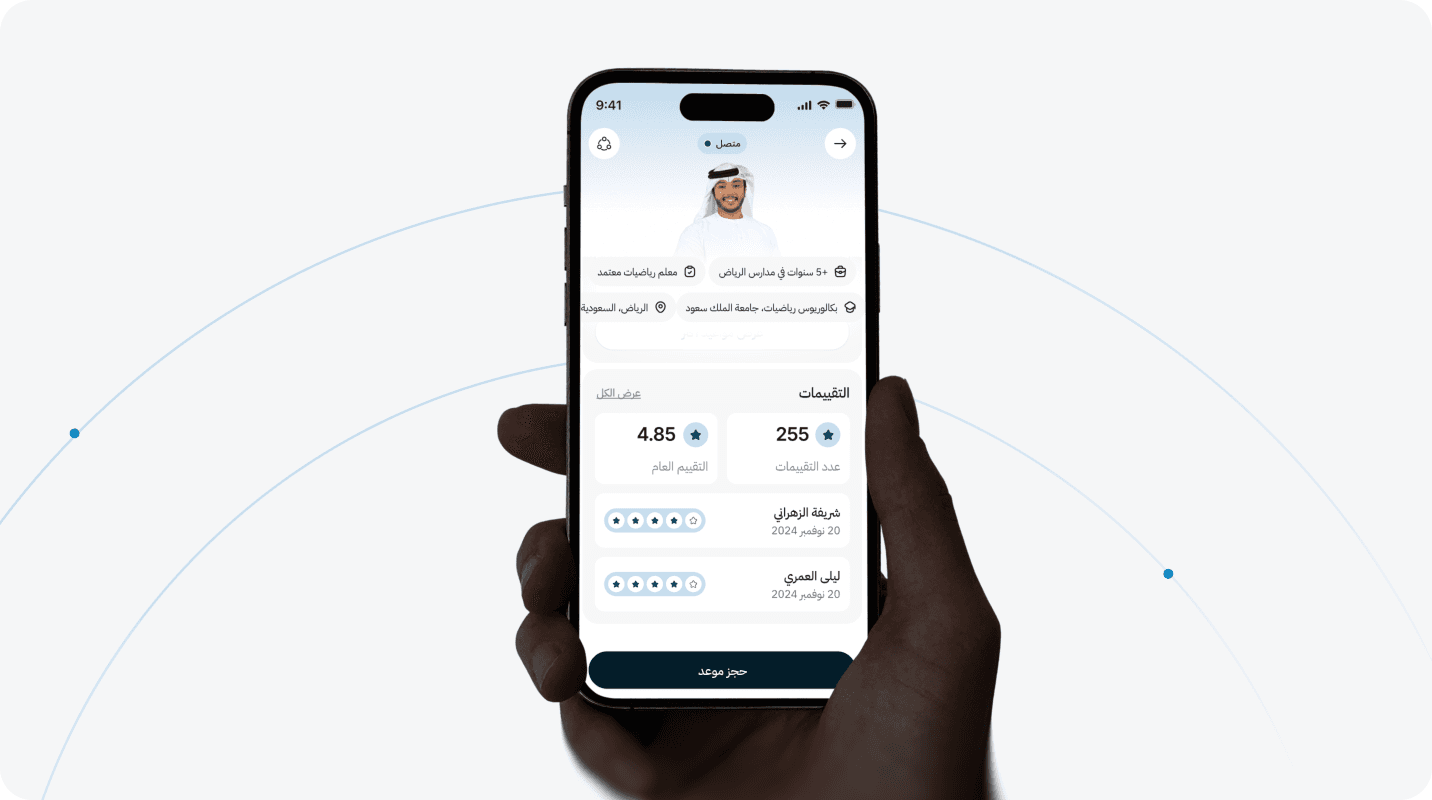
A profile does not need many words; it needs clear answers to the questions that help a family choose. Write them in plain language, the way you would describe your work in a first conversation.
- Subject and stage. State what you know well and the stage your teaching suits. Instead of "I teach all subjects", write for example: "I teach maths to intermediate stage students".
- Qualification and experience. Name the degree and specialisation exactly as they appear on the certificate, and add your years of experience if you have them. Do not add a title or a result you cannot prove.
- How the lesson works. Give the family a simple picture of what will happen. Do you start by finding the gaps? Do you review a topic and then work through questions? One specific sentence beats a general phrase such as "excellent explanations".
- Price and availability. State your price clearly and list the times you can commit to. Clear details cut down the back and forth and help the family see whether your schedule fits theirs.
- Photo and bio. Choose a clear photo with a calm background, and write a short bio focused on what the student needs. If you communicate through a platform, use its tools instead of posting your personal number.
On Mualimi, your identity is verified through Nafath and your qualifications are reviewed before they appear on your profile. Upload the document as it is, then write a description that explains your specialisation without exaggeration.
How do you set your price and show it clearly?
No single price suits every subject, stage and city. Start by comparing what is offered in your category, then factor in your experience, how you deliver the lesson and the time you spend preparing. Our guide to private tutoring prices in Saudi Arabia 2026 sets out the published ranges; use it as a starting point, not a number to copy. Most importantly, the parent should know the price and what it includes before booking.
Write down clearly what the price includes: the lesson length, and whether it covers homework review or notes after the lesson. This cuts questions before booking and prevents misunderstandings afterwards. On the Mualimi app, you set your own price, and Mualimi takes a 30% commission on each completed session; so work out what you keep after commission before you fix your price. If you want to keep a set amount from each lesson, divide it by 0.70 to find the price that achieves it.
How do you get private tutoring students in your first month?
No plan can guarantee a set number of bookings within a month. But splitting your start into weeks makes the work clearer and gives you a chance to learn from how families respond.
- Week one: choose your scope. Pick a subject and a stage you can teach with confidence. If you have questions about your legal eligibility, check your status with the competent authority before accepting a lesson.
- Week two: prepare your profile. Write down your qualification, subject, stage, price and available times. Ask someone you trust to read your bio and tell you what was unclear.
- Week three: try two channels. Share a specific offer in a space that suits your audience, or ask people you know to share your profile. Avoid posting the same text everywhere without adapting it.
- Week four: review what you learned. Note the questions that came up repeatedly, and update your profile if families needed missing information. If you have started lessons, ask for specific feedback on your teaching and the next step.
Treat the first month as a period of testing and improving, not a promise of a certain number of students. The goal is to learn which message reaches the right family and to make the next step easy.
How do you encourage families to book again?
An ongoing relationship starts with clarity about what happened in the lesson and what the student needs next. End each session with a short summary: which idea did the student master, and what will you work on next time? This helps the family see progress instead of relying on a general impression.
Ask for specific feedback in a relaxed way, for example: "Was the pace right?" or "Which part needs more review?" Then use the answer in the next lesson. If the lesson helped the family, suggesting a regular slot feels natural, not like a sales pitch at the end of the session.
On Mualimi, the post-lesson report and the rating let the family share their experience. Use these tools honestly, and never ask for a rating that does not reflect their view.
In summary
You do not need to be in every group or write an advert every day. Make your specialisation clear, choose two channels that suit the families you want to reach, and learn from the questions you receive. These steps build a professional presence that grows with every lesson and every review.
Start today by creating your profile on the Mualimi app; your personal number stays private because communication with families and payment both happen inside the app. Verify your identity through Nafath, upload your qualifications for review, and state your subjects and price clearly.
Frequently asked questions
Start with a profile that states your subject, stage and price, then share it on a channel that reaches the right families. Watch the questions you receive and fill in what is missing. Reviews and reputation take time, and no formula guarantees a set number of bookings.
Start with the subject and stage, then add your qualification, how the lesson works, your price and your available times. Keep the description specific and honest, and do not post personal contact details if you do not want direct messages.
Requirements vary with the tutor's status, the organisation they work with and the activity they offer. Check your status with the competent authority, and never claim experience or a qualification you do not have.
Compare published prices for your subject, stage and city, then factor in your experience and preparation time. Our guide to private tutoring prices in Saudi Arabia 2026 shows market ranges, but it cannot choose the right price for you.
These channels can be part of your plan. Explain the lesson details, and agree the price, time and contact method before you start. Think too about the privacy of your number and how you will record the agreement.
End the lesson with a summary of what the student achieved and what you will review next. Ask for specific feedback, then suggest a regular slot if it suits both sides.
Mualimi4 Oct 2026